Bahamia Font Review: A Relaxed Script Handwritten Typeface for Elegant Branding
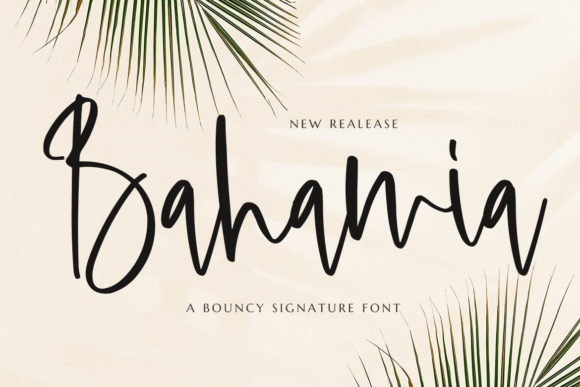
I remember staring at a blank Figma file at 2 AM, trying to define the visual voice for a boutique skincare brand called "Lumina." The brief asked for something organic but sophisticated, a balance that usually results in either too much chaos or too much stiffness. I had tried several bold sans serifs and classic serif pairings, but nothing felt quite right. Then I dropped Bahamia into the mix. It wasn’t just another script font; it was a relaxed, elegant and flowing handwritten font that immediately softened the rigid grid of my layout. It has beautiful and stylish characters and as a result, it matches a wide pool of designs. Adding it confidently to my project didn’t just solve the logo problem—it set the tone for the entire brand identity system.
Why Bahamia Works Best for Boutique Packaging Design
When you are designing packaging for artisanal goods, the typography needs to whisper rather than shout. Bahamia, categorized under Script Handwritten fonts, offers exactly that kind of quiet confidence. In my recent test with a local honey producer’s label, I placed the font on a mockup of a amber glass jar. The curves of the letters mimicked the natural viscosity of the product itself. Unlike many script fonts that feel forced or overly calligraphic, Bahamia maintains a casual rhythm that feels hand-drawn yet highly controlled.
This typeface excels in scenarios where emotional connection is key. For handmade sellers, crafters, and small business owners selling physical products, the font adds a layer of authenticity. It doesn’t look like a computer-generated vector; it looks like it was written by someone who cares about the details. When used on product labels, gift tags, or primary branding marks, Bahamia helps elevate simple materials into premium design assets. Its flowing nature allows it to wrap around curves and integrate seamlessly with illustrative elements, making it an ideal choice for packaging design where space is limited but impact needs to be high.
Bahamia for Logo Design and Brand Identity Systems
A common question among graphic designers is whether a script font can stand alone as a logo mark. With Bahamia, the answer is often yes, provided the application is thoughtful. Because it is a display font first and foremost, it carries enough weight and character to anchor a brand identity without needing heavy supporting graphics. I tested this by creating a minimalist wordmark for a creative studio. By using Bahamia as the primary headline font and pairing it with a clean, neutral sans serif font for body copy, we achieved a modern typography system that felt both approachable and professional.
The font’s versatility means it fits a wide variety of niches. Whether you are building a brand identity for a wedding planner, a lifestyle blogger, or a luxury candle company, Bahamia provides the elegance required for these sectors. However, it is crucial to remember that as a handwritten font, it should primarily serve as an accent or headline element. Using it for long blocks of text will fatigue the reader. Instead, use it for short phrases, brand names, or key messaging points where you want to draw immediate attention and establish a specific mood.
Integrating Bahamia Into Social Media Graphics and Web Headers
In the digital space, scrolling speed is fast, and attention spans are short. Your social media graphics need to stop the scroll within the first second. This is where the visual appeal of Bahamia becomes a practical tool for marketers and content creators. I recently designed a series of Instagram posts for a wellness retreat. By placing Bahamia over soft, muted background images, the text popped with an organic elegance that contrasted beautifully with sharp geometric icons. The font’s relaxed personality made the digital experience feel less like an advertisement and more like a personal invitation.
For web design, particularly in the hero section of a landing page, Bahamia can set a welcoming tone. It works exceptionally well when paired with ample white space. I found that using the font in large sizes (72px and up) allowed its stylistic alternates and ligatures to shine. These subtle details—like the way certain letters connect or flourish—add a touch of luxury that generic templates lack. When integrating this into a website, ensure that the color contrast is sufficient. While the font is stylish, readability remains paramount for user engagement. Use Bahamia for the main headline, then switch to a highly legible sans serif font for navigation and calls to action.
Bahamia for Wedding Invitations and Event Stationery
Perhaps one of the most lucrative applications for this typeface is in the stationery industry. Weddings, baby showers, and formal events demand a level of grace that Bahamia delivers effortlessly. As a creative font, it bridges the gap between traditional calligraphy and modern minimalism. I have seen designers use it for save-the-date cards, menu headers, and even table numbers. The flowing lines suggest movement and celebration, which aligns perfectly with the joyous nature of these events.
For hobbyists and entrepreneurs in the print-on-demand space, Bahamia is a valuable asset. It allows you to create high-quality digital downloads for Etsy shops or marketplaces. Because it is a premium font style, it elevates the perceived value of your digital products. Customers are willing to pay more for invitations that look professionally typeset rather than amateurishly assembled. By incorporating Bahamia into your design templates, you offer clients a polished, cohesive look that stands out in a crowded marketplace.
Practical Considerations for Testing and Licensing
Before committing to any typeface for a final client project, rigorous testing is essential. I always recommend exporting your designs to PDF and printing them out. Screen rendering can sometimes smooth over rough edges or distort the spacing of a script font. Seeing Bahamia in ink on paper reveals how the strokes interact with the texture of the stock. Does it bleed? Do the thin lines disappear? For packaging design, this step is critical to avoid costly reprint errors.
Additionally, always review the included styles and weights. Most high-quality Fonts packages come with regular, italic, and sometimes bold variants, along with special swashes. Understanding which characters have decorative flourishes allows you to use them strategically—for example, using a swash 'B' for a brand initial while keeping the rest of the text standard for clarity. Furthermore, check for multilingual support if your brand operates internationally. Ensuring that accents and special characters render correctly prevents awkward gaps in your design.
Finally, never overlook the legal side of typography. Always check commercial font licensing before using Bahamia in client work, brand identity systems, or merchandise. While many designers assume all online fonts are free for commercial use, this is rarely the case. Purchasing the correct license protects your business from potential legal issues and ensures you are supporting the type designer. For projects involving resale items like t-shirts or mugs, verify if you need an extended license. Being diligent about licensing is part of being a professional brand designer.
Final Recommendations for Designers
Bahamia is not a Swiss Army knife font; it is a specialized tool for creating elegance and flow. It shines when you need to inject personality into a brand without sacrificing sophistication. If you are looking for a relaxed, elegant and flowing handwritten font that has beautiful and stylish characters and as a result, matches a wide pool of designs, Bahamia is a strong contender. Add it confidently to your projects, and you will likely find that it brings a human touch to your digital and print assets that other typefaces simply cannot replicate. Test it on your next logo draft, try it on a business card, and see how it transforms your visual hierarchy.